Source Custom Gold Ring for Wedding, Gift, and Decoration
Source a custom gold ring from 30 verified listings. Compare options featuring zirconia, moissanite, or lab-grown diamonds in 14K or 18K gold. Find suppliers offering OEM services, resizable sizes, and fast worldwide shipping for your jewelry needs; compare the available evidence and request quotations based on your requirements.
Key considerations
Products List


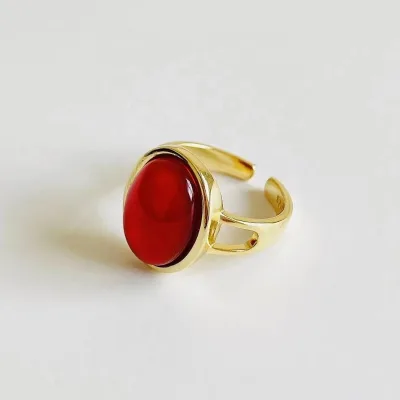


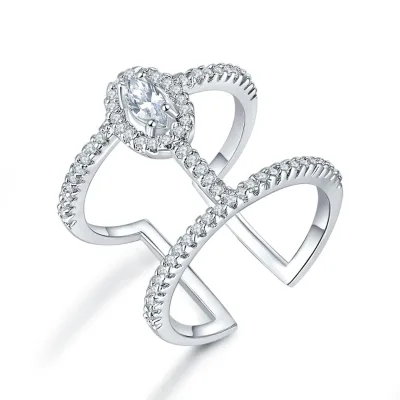


Comprehensive Sourcing Guide
Custom Gold Ring Sourcing Guide
Sourcing custom gold rings requires a strategic approach that balances aesthetic precision with rigorous supply chain verification. Buyers must navigate a market where "gold" can refer to various material compositions, from solid precious metals to plated alloys, each carrying distinct cost and durability implications. The initial phase involves defining the exact metallurgical requirements, such as 14K or 18K yellow, rose, or white gold, or alternative base materials like zinc alloy with electroplating. This distinction fundamentally dictates the unit economics, regulatory compliance needs, and end-user satisfaction. Procurement teams should establish clear technical drawings and material specifications before engaging suppliers to prevent miscommunication regarding the final product's appearance and weight.
Beyond material selection, the customization landscape for rings is highly flexible, offering options for size adjustments, logo engraving, and bespoke packaging. Suppliers often provide OEM and ODM services, allowing brands to imprint unique identifiers or adopt specific design templates. However, this flexibility introduces complexity in quality control, particularly when dealing with resizable rings or those featuring embedded stones like zirconia, moissanite, or lab-grown diamonds. Buyers must evaluate whether the supplier’s customization capabilities align with their volume requirements and timeline constraints. Understanding the balance between standard inventory and fully bespoke production is critical for maintaining consistent brand identity across large orders.
Product Scope and Observed Listing Signals
The current market for custom gold rings exhibits a wide variance in product attributes, reflecting diverse manufacturing capabilities and target segments. Listings frequently highlight versatile usage scenarios, including weddings, engagements, parties, and general decoration, indicating that these items serve both sentimental and fashion-driven purposes. The observed product range includes prime rings with customizable features, such as adjustable sizing and various stone inclusions. Buyers should note that while some products are marketed as unisex or fashion-forward, others are tailored for specific occasions like anniversaries or holidays. This diversity necessitates careful filtering to identify suppliers who specialize in the specific aesthetic and functional requirements of the buyer’s brand.
Observed listing signals also reveal significant variations in minimum order quantities (MOQ) and pricing structures, which serve as indicators of supplier scale and flexibility. Some suppliers offer low MOQs starting from a single piece for sampling, catering to small businesses or prototype development, while others require bulk orders of hundreds or thousands of units. Pricing ranges are broad, influenced by material costs, labor intensity, and the complexity of electroplating or stone setting processes. Additionally, discount structures are common, with percentage reductions applied to larger volume tiers. Buyers must analyze these signals to determine if a supplier’s operational model aligns with their inventory strategy, whether they prioritize rapid prototyping or high-volume production efficiency.
Technical Specifications to Verify
Verifying technical specifications is paramount to ensuring that the final product meets design expectations and functional requirements. Key attributes to confirm include the precise metal composition, such as 14K or 18K gold plating over alloy cores, and the type of stones used, whether cubic zirconia, moissanite, or lab-grown diamonds. The weight of the ring, often listed in grams, is a critical factor for both cost calculation and perceived value. Buyers should also verify the ring size options, noting that some products are resizable while others are fixed, which impacts inventory management and customer satisfaction. Additionally, the fabrication process, including electroplating techniques, must be assessed for durability and color consistency, as these factors directly influence the product's lifespan and aesthetic appeal.
Packaging and dimensional specifications are equally important for logistics and branding purposes. Suppliers may offer customizable packaging solutions, ranging from simple OPP bags to branded cartons with specific dimensions. Buyers must confirm the packing details, such as carton sizes and quantities per box, to optimize shipping costs and storage efficiency. Furthermore, the availability of 3D drawings and rapid prototyping services can accelerate the design approval process. It is essential to verify the lead times for sampling and bulk production, as these timelines affect overall project scheduling. Clear communication regarding these technical details ensures that the supplier’s capabilities match the buyer’s operational needs, reducing the risk of delays or mismatches in the final delivery.
Compliance and Safety Documentation
Compliance and safety documentation are non-negotiable elements in the sourcing of custom gold rings, particularly when targeting international markets. Buyers must ensure that suppliers provide relevant testing reports, such as SGS certification, which verifies that the products are free from harmful substances like nickel, lead, and cadmium. These tests are crucial for meeting regulatory standards in regions with strict chemical safety laws, protecting both the brand and the end consumer from potential health risks. Additionally, suppliers should adhere to recognized industry standards for jewelry manufacturing, which may include guidelines for metal purity, plating thickness, and stone setting security. Verifying these certifications helps mitigate legal liabilities and enhances the brand’s reputation for quality and safety.
Beyond chemical safety, buyers should also consider the ethical and environmental implications of their sourcing decisions. While not always explicitly stated in product listings, many suppliers are increasingly expected to demonstrate responsible sourcing practices for both metals and gemstones. This may involve verifying the origin of materials and ensuring that labor practices comply with international labor standards. Buyers can request documentation related to these practices to align their procurement strategies with corporate social responsibility goals. Furthermore, understanding the supplier’s export experience and adherence to international trade regulations can facilitate smoother customs clearance and reduce the risk of shipment delays. Comprehensive compliance checks are essential for building a sustainable and trustworthy supply chain.
Cost Drivers and Commercial Terms
Understanding the cost drivers and commercial terms is essential for effective budgeting and negotiation in the custom gold ring market. The primary cost factors include the type and quantity of materials used, such as the grade of gold plating and the type of stones, as well as the complexity of the design and customization options. Labor costs, particularly for intricate electroplating or stone setting processes, also significantly impact the final price. Buyers should be aware that lower MOQs often come with higher unit prices, while bulk orders may benefit from volume discounts. Additionally, shipping costs and lead times can vary based on the supplier’s location and the chosen logistics method, affecting the total landed cost.
Commercial terms, including payment structures and delivery schedules, play a crucial role in managing cash flow and project timelines. Suppliers typically require a deposit before production begins, with the balance due before shipment. Payment methods such as T/T or Western Union are common, but buyers should negotiate terms that align with their financial policies. Lead times for sampling and bulk production must be clearly defined to avoid delays, with some suppliers offering expedited services for an additional fee. Buyers should also inquire about warranty policies and return procedures for defective items. Clear and transparent commercial terms help establish a mutually beneficial partnership, ensuring that both parties are aligned on expectations and responsibilities throughout the procurement process.
Supplier Qualification and Quality Control
Supplier qualification and quality control are critical steps in mitigating risks and ensuring consistent product quality. Buyers should conduct thorough due diligence to verify the supplier’s manufacturing capabilities, including their factory size, equipment, and workforce expertise. Assessing the supplier’s export experience and track record can provide insights into their reliability and ability to meet international standards. Additionally, buyers should request samples to evaluate the quality of materials, craftsmanship, and finishing. This hands-on inspection allows for a direct assessment of the product’s durability, aesthetic appeal, and adherence to specifications. Suppliers who offer OEM and ODM services should also be evaluated for their design flexibility and responsiveness to custom requests.
Quality control processes should be established early in the procurement cycle to prevent defects and ensure consistency across large orders. Buyers can implement pre-production inspections, during-production checks, and final random inspections to monitor quality at various stages. Clear quality standards and acceptance criteria should be documented and communicated to the supplier to minimize misunderstandings. Additionally, buyers should inquire about the supplier’s defect rate and their procedures for handling non-conforming products. Establishing a robust quality control framework helps protect the brand’s reputation and reduces the risk of costly returns or customer complaints. Regular communication and feedback loops with the supplier can further enhance quality outcomes and foster a collaborative relationship.
Long-Term Procurement Checks
Long-term procurement checks are essential for maintaining a resilient and efficient supply chain for custom gold rings. Buyers should regularly review supplier performance metrics, including on-time delivery rates, product quality consistency, and responsiveness to issues. These metrics provide valuable insights into the supplier’s reliability and help identify areas for improvement. Additionally, buyers should monitor market trends and technological advancements in jewelry manufacturing to ensure that their sourcing strategies remain competitive. This may involve exploring new materials, design techniques, or sustainability practices that align with evolving consumer preferences. Regular audits and site visits can also help verify that the supplier continues to meet quality and compliance standards over time.
Building a strong, long-term relationship with suppliers can lead to better pricing, priority service, and collaborative innovation. Buyers should engage in open and transparent communication, sharing feedback and expectations clearly. This fosters trust and encourages suppliers to invest in the partnership, potentially offering exclusive designs or improved terms. Additionally, buyers should diversify their supplier base to mitigate risks associated with single-source dependencies. This strategy ensures continuity of supply in case of disruptions and provides leverage in negotiations. By implementing systematic long-term procurement checks, buyers can optimize their sourcing operations, enhance product quality, and drive sustainable growth for their business.
FAQs
What customization options are available for custom gold rings?
Customization is available for size, stamp, logo, sample, OEM, and package. You can request specific ring sizes, engraved logos, and tailored packaging. The factory supports custom designs and offers 3D drawings within one day to ensure your unique requirements are met before production begins.
How long does it take to produce a custom gold ring order?
Sampling takes ten days while big orders require twenty days for production. The fabrication processing time ranges from seven to fifteen days. After production, worldwide fast shipping takes five to six days to deliver the finished rings to your location from the factory in Guangdong, China.
What is the minimum order quantity for custom gold rings?
The minimum order quantity is one piece for samples and twenty pieces for big orders. Some specific listings may require five hundred pieces as a standard minimum. This flexible MOQ allows buyers to test designs with small quantities before committing to larger bulk purchases for their business needs.
Which materials are used to make these custom gold rings?
Materials include alloy, zinc alloy, and various stones like zirconia, moissanite, lab-grown diamonds, and gems. The rings are available in 14K yellow gold, 18K yellow gold, rose gold, and white gold colors. Electroplating is used as the fabrication processing method to achieve the desired finish and durability.
Can I get a sample of the custom gold ring before bulk order?
Yes, you can order one piece as a sample with a ten-day lead time. The sample allows you to verify the design, stone quality, and plating finish. Once approved, you can proceed to a big order with a twenty-day production lead time and a thirty percent deposit before production starts.
What payment terms are accepted for custom gold ring orders?
Payment terms include a thirty percent deposit before production and the balance before shipping. You can pay via T/T or Western Union for transactions. This structure ensures security for both the buyer and the factory while facilitating the manufacturing and shipping process for your custom jewelry order.
Are the custom gold rings suitable for wedding and engagement occasions?
Yes, these rings are designed for weddings, engagements, anniversaries, parties, and holidays. They feature a round shape and stone settings suitable for decoration and gifting. The unisex fashion style makes them versatile for various occasions, ensuring they meet the aesthetic requirements for significant life events and celebrations.